
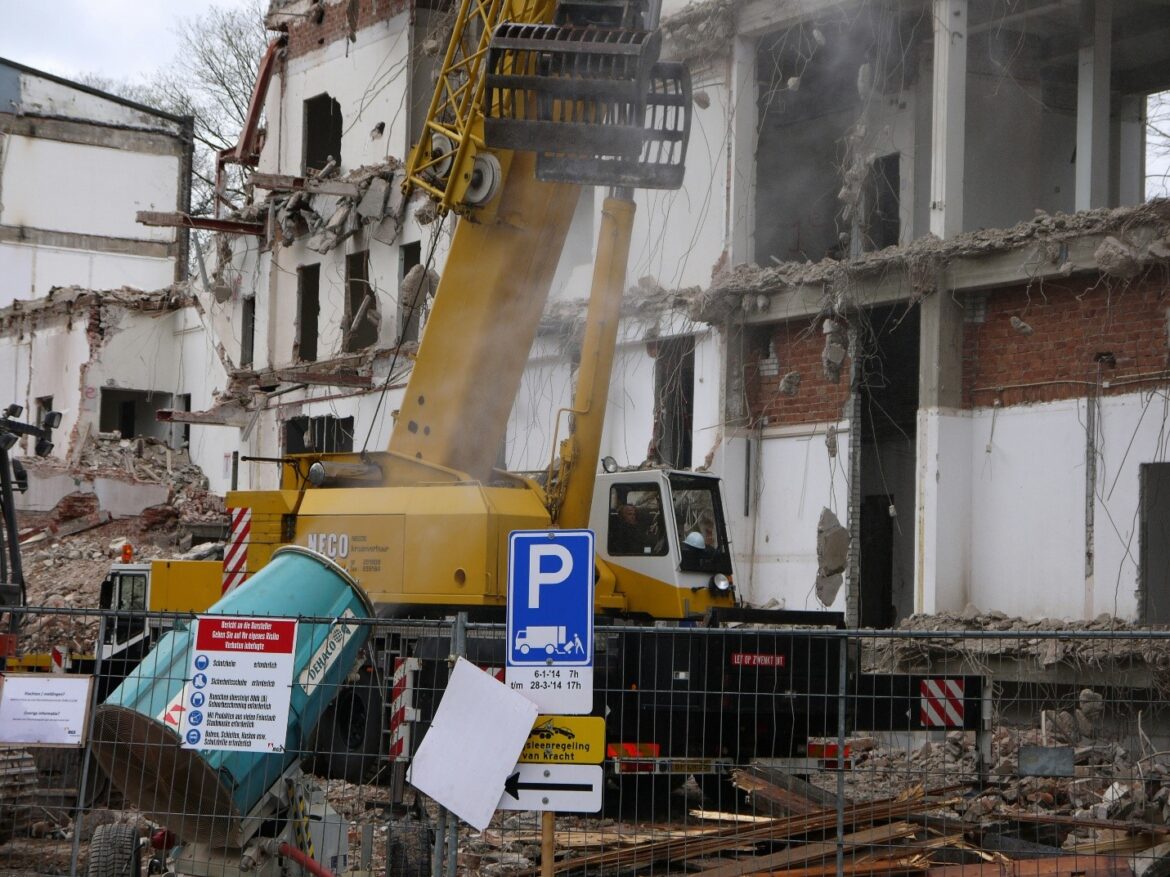
Owning a vintage home is like owning a slice of history. Tall ceilings, solid wood doors, and quirky built‑ins give your place a warmth that new construction rarely matches. Yet the same age that makes your house charming can also hide toxic building materials. If you plan even a small renovation—or a full structure teardown—you must deal with two main hazards: asbestos and lead. Handling them correctly protects everyone on‑site and keeps your project on schedule.
Red more here at https://www.csusb.edu/ehs/occupational-health-and-safety/asbestos-and-lead to know more about these hazards.
What Is Friable Asbestos?
Imagine a piece of chalk. Squeeze it and it crumbles into powder. Friable asbestos acts the same way. When insulation, ceiling texture, or old heater duct wrap contains friable asbestos, a light touch can send millions of microscopic fibers into the air. These sharp fibers stay airborne for hours and lodge deep in lungs if breathed in. Non‑friable materials, such as cement siding panels, are less fragile but can still become dangerous dust once you cut or grind them with power tools.
You might wonder why asbestos was used at all. In the mid‑1900s it was the miracle mineral—fire‑proof, rot‑proof, and cheap. It still exists in pipe elbows, attic vermiculite, and patching compounds sold until 1986. The danger arises only when fibers become airborne, but once they do, there is no safe exposure level. That is why reputable demolition crews treat suspect materials with a wet‑misting bottle before handling them, reducing loose dust by up to 85 percent. Because many homes built before 1990 used both friable and non‑friable products, treat every suspicious material with caution until proven safe.
Testing vs. Guessing
Before anyone swings a hammer, you need proof—not hunches—about what’s hiding in those vintage walls. Spending a few hundred dollars on lab analysis can save thousands in stop‑work orders. Armed with written results, you can demand accurate quotes and safer work practices.
- Guessing wrong is costly. Municipalities in most states now require an asbestos survey before issuing a residential demolition permit. A certified inspector takes core samples from walls, flooring, and pipe insulation, then sends them to an accredited lab. The process is quick—often two business days—and costs a fraction of what an emergency shutdown would run if asbestos were discovered mid‑project.
- Lead paint testing follows a similar logic. You can buy swab kits, but professional XRF (X‑ray fluorescence) scanning tells you exactly how deep each layer goes. Accurate lab reports give your licensed demolition contractor clear instructions on which areas need special controls, saving time during selective demolition when only parts of the building come down. In short, you test so you can plan, budget, and protect.
Lead Paint Safety Rules
Lead‑safe regulations might feel like paperwork, but they protect your family and workers from an invisible neurotoxin. Because lead dust can travel on shoes and air currents, violations often impact neighboring homes as well. Learning the basics now ensures your contractor builds containment the moment paint is disturbed.
- Lead pigments were prized for their bright colors and durability, so they ended up in trim, windows, and exterior siding right up through 1977. When you sand or cut that paint, dust settles on floors, soil, and even neighbors’ decks. The federal Renovation, Repair and Painting (RRP) rule says any work that disturbs more than six square feet of lead paint inside—or twenty square feet outside—must follow strict containment steps.
- That means plastic sheeting, negative‑pressure air scrubbers, and workers trained to use HEPA vacuums instead of dry sweeping. Your demolition crew should post warning signs and keep a daily log. If you hire a handyman who is unaware of these rules, EPA (check this site for more info) fines can reach $37,500 per day. More importantly, children exposed to lead dust can suffer permanent learning problems. Following the law is not red tape; it is basic health insurance.
Certified Abatement Options
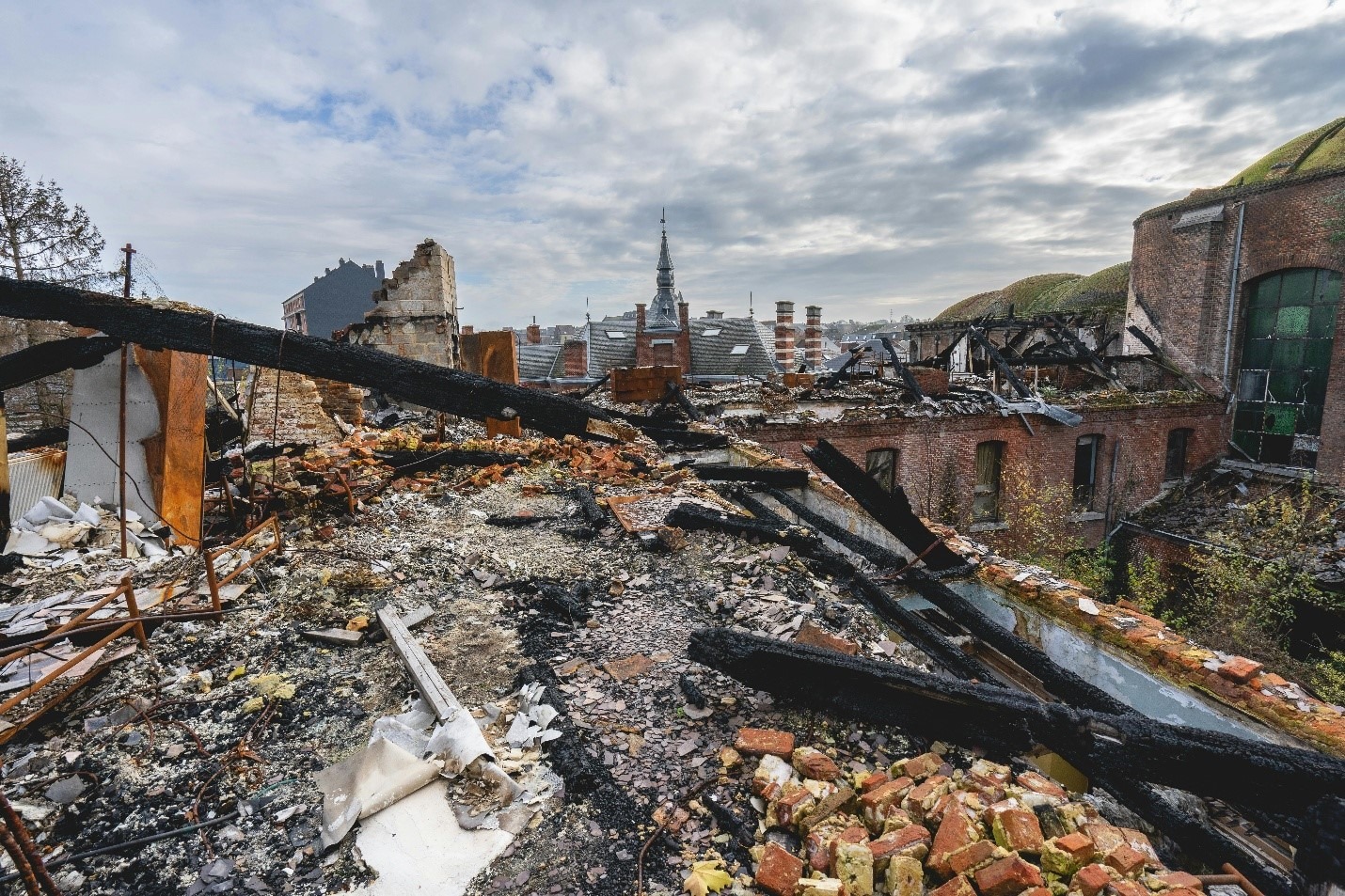
After hazards are confirmed, you have several removal strategies—but only one chance to pick the right one. Cheap shortcuts can backfire if inspectors halt the project midway. Comparing certified methods up front keeps your schedule intact and your final inspection hassle‑free.
- Once tests confirm asbestos or lead, you face a choice: abate now, or manage in place. Full abatement means removing the hazardous material completely. A licensed demolition contractor builds sealed enclosures, wears respirators, and places waste into double‑bagged drums for regulated landfill disposal. You pay more up front, but future projects become much simpler.
- If the affected area is small, encapsulation may work. Special coatings lock fibers or dust under a hard shell. This option costs less today, yet it limits where crews can cut later. Talk with both your abatement firm and your general contractor to match the method to your long‑term plans. Remember that local code inspectors may still require removal before a full structure teardown or heavy equipment removal.
About JTC Demolition Post Falls. JTC has served North Idaho and Eastern Washington for more than two decades, offering residential and commercial demolition, debris hauling, and complete site cleanup services. Homeowners appreciate the company’s clear estimates, courteous crews, and ability to coordinate selective demolition with other trades.
Clearance Testing After Removal
Your demolition timeline should never end the moment the last bag leaves the property. Independent clearance testing gives you proof that air and surfaces meet state safety limits. An industrial hygienist sets up air pumps, wipes floors and windowsills, and sends the samples to a lab. Only when results fall below action levels do they issue a clearance letter.
Plan for clearance testing in your budget from day one. On a typical three‑bedroom house, post‑abatement sampling runs between $300 and $600—far less than the cost of repeating interior painting or delaying the concrete crew because the site failed inspection. Think of the clearance letter as the final invoice on safety. Landfill operators may ask for it before accepting asbestos waste. Banks often require it before releasing construction funds. Most of all, it reassures you that your living room is safe for children and pets once walls go back up.
Demolition can feel dramatic—bulldozers, dumpsters, and roaring saws. Yet the work that happens before any tool touches the building is what keeps everyone safe. By testing instead of guessing, following lead paint rules, choosing certified abatement, and insisting on clearance documentation, you transform an old house full of hidden dangers into a clear, ready‑to‑build site.